Faith in Action: Learning to Advocate for Justice
Student Jasina Wise shares how being a Saint Nicholas Center for Faith and Justice Fellow is enriching her formation.

Together we make The Episcopal Church stronger
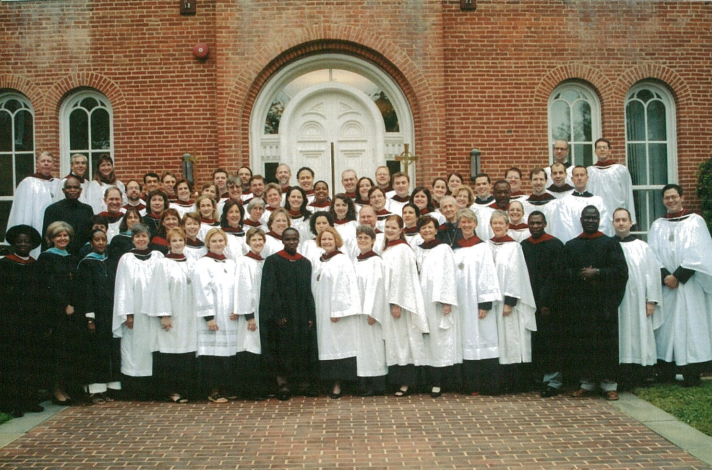
The Class of 2004 at their graduation.
Twenty-five years after arriving at VTS, members of the Class of 2004 reflect on how shared challenges and enduring friendships continue to shape their ministries.
By Sally Voth
Twenty-five years ago, in August 2001, the Class of 2004 first arrived on Virginia Theological Seminary’s (VTS) campus. That this class was unique and special has been noted by many, including bishops, the then-dean of VTS the Very Rev. Martha Horne, members of the classes before and after them, and the classmates themselves.
Impressively, out of around 50 seminarians, six members of the Class of 2004 have been consecrated as bishops: the Rt. Rev. Paula Clark, bishop of the Diocese of Chicago; the Rt. Rev. Jeff Fisher, bishop suffragan of the diocese of Texas; the Rt. Rev. Karin MacPhail, bishop of the Diocese of Southwestern Virginia; the Rt. Rev. George Okoth, bishop of the Diocese of Mara in the Anglican Church of Tanzania; the Rt. Rev. Douglas Scharf, bishop of the Diocese of Southwest Florida; and the Rt. Rev. Phyllis Spiegel, bishop of the Diocese of Utah.
During their time at seminary, the class witnessed extraordinary tragedies in the region and the nation and weathered the controversy surrounding the consecration of the Rt. Rev. Gene Robinson, the first openly gay man to be elected bishop, and the ensuing rift in The Episcopal Church, which led to the founding of the Anglican Church of North America.
The class were the first cohort to come to VTS for an August term and were the only ones on campus for that first month. They had only been on campus for six weeks when the September 11 terrorist attacks on the World Trade Center and the Pentagon happened. This was followed a year later by the D.C. sniper attacks, in which 10 people were killed and three critically injured while going about daily activities, such as getting gas or walking back to their car from a store.
Then, in the winter of 2003, a massive blizzard brought the region to a standstill over President’s Day weekend. Six months later, the area would again be battered, this time by Hurricane Isabel. When the class graduated in May 2004, it was to the cacophony that came from the emergence of millions of the 17-year Brood X cicadas.
Several members of the Class of 2004 said these historic events and the discussions and actions that took place in their wake deeply impacted their formation. “I can see the abundant fruit that has come from a crucible of many different experiences that we shared together,” Bishop Scharf said.
While September 11 was a tragedy felt across the nation, VTS’s proximity to the Pentagon brought the terror especially close to home. Bishop Clark was a commuter student at the time.
“I could smell it,” she said. “I could smell it on the way to VTS every morning. That meant it was extremely vivid for me. Because it was so vivid for us, we couldn’t pretend like that happened somewhere else. We knew that forever life was changed and not promised.”
Bishop Fisher recalled the morning of Sept. 11. “I can remember all of us gathering around the televisions in the common area and the bell in the chapel ringing to call us all to worship and to prayer,” he said. “We heard the fighter jets circling over us.”
The seminarians walked down the street to donate blood. The Rev. Rachel Nyback, rector of St. Cross Episcopal Church in Hermosa Beach, California, said the class had already formed some strong bonds during August term when they had the campus to themselves.
“The challenges that were presented during our time on campus made us aware of the wider world that we would be facing and that it was never going to be the same or easy, but that didn’t diminish the fact that we were still called to serve, and that that service would also be filled with joy, as much as it’s filled with challenge,” she said.
Bishop MacPhail agreed that September 11 had a significant impact on the already-bonded class. “We were all fairly tight by then and just the trauma of that, and the sense that the world has just changed, [and asking] so what does that mean for everything?” she said.
Being in the shadow of Washington, D.C., some wondered if there would be planes crashing into buildings all the time.
“There was just so much uncertainty and terror of what’s life going to be like now, [a] strong feeling that everything has changed in a big way,” Bishop MacPhail said.
“Most of us probably grew up feeling pretty safe in the world. [Suddenly,] it felt very dangerous and with the sniper, [we were] just feeling, how do I think about going to get gas. The physical space of the Seminary brought the community we were building together. It did feel like this bit of a safe haven in the midst of this turmoil and fear.”
The controversy over Bishop Robinson’s consecration came as a surprise to the Rev. Nyback, who had grown up in Southern California. She said not everyone in the Class of 2004 – which included some LGBT members – agreed on whether an out-gay person should be able to serve as bishop.
“That was very, very difficult for many of us,” she said. “And the fact that then there was discussion on campus about whether this was okay or not okay, and how very difficult it was for people to be in community with one another when we so vehemently disagreed on the theological understanding of God’s love.”
Bishop Spiegel, who is openly gay herself, still remembers the conversations on Bishop Robinson’s ministry led by Dean Horne with grace and forthright truth.
“We came through watching the Church disintegrate around Gene Robinson, and we had to find our way around that. We formed around brokenness,” she said. “This says we’ve got to make a better church, we’re the leaders who are going to do this. I think it formed who we are.”
Bishop Spiegel credits the residential experience at VTS for forming and bonding her class. “It’s not about the classwork, it’s about all the moments that happen in between the classwork. The refectory moment.”
She recalled when she had just dropped off her daughter at her first day of kindergarten and was “a mess” when the Rev. Nyback saw her in the parking lot.
“She just stood there and hugged me and hugged me, and that bonded us, and she loves my child,” Bishop Spiegel said, adding that her friend’s generosity has extended to paying for her daughter’s camp fees when she was unable to afford to do so herself.
“All that [was] forged on the sidewalk at seminary. Rachel is my chaplain. Now, still, she serves as my chaplain. She tends to me as a bishop. Not about the issues of a bishop, but more within the context of being a bishop, and that started the day I dropped my daughter off for kindergarten.”
Bishop Fisher credits Dean Horne for teaching him the importance of listening. “I think the fact we listened to one another helped keep us together as a class,” he said.
“I think all of us have a deep quality of leadership… We were there under the leadership of Dean Martha Horne, who really instilled in me the value of listening. In making a decision, she would listen to the maintenance worker and the professors and the students before she came to a decision. Listening to other people really enhances your leadership.”
The Rev. Nyback said that while she and her classmates didn’t always agree on every issue, they “did agree about caring for one another.”
Bishop Scharf said his class “wrestled together” with all of the changes and challenges facing the Church during their period at seminary. He said they developed a resiliency when it comes to leading through change and turbulence.
“I think the strong leadership skills that we developed during that time equipped us to be strong and effective leaders in the Church. Our class was diverse, and we had pretty much every perspective theologically, politically, represented in the class. Because of the bonds that were formed, I think early on with 9/11 happening in the first weeks, and other significant events happening early in our time together, we were kind of forced to lean on each other and support one another,” Bishop Scharf said.
“We were able to have dialogue across differences and respect one another and understand that we would still love and support one another. I think those relational skills that we experienced with one another, we were able to translate into our work in the Church,” he said.
Bishop Clark, who is both the Diocese of Chicago’s first woman bishop and its first Black bishop, noted that her diocese is made up of 112 parishes stretching across much of Illinois. “I represent so many different worshiping communities, and yet I’m confident I’m called to this time for the very things that formed me as a priest at VTS,” she said.
Bishop Spiegel thinks that, while the members of the class would likely have been close even had their time at VTS been uneventful, what they all went through “forged” something in them.
“I think each one of us is very oriented towards community building. If we are to be present in the world when the world is in chaos, then we as the Church need to stand stronger together, and we as a class did that, and that was part of our formation,” she said.
Bishops Spiegel and Clark and three of their classmates are part of a sermon peer review group. They have been sharing their sermons every week for 22 years, and through that, they have continued to impact each other’s formation, according to Bishop Spiegel.
“Three of us were consecrated within a week of each other – Paula and I within an hour of each other,” she said. “All of that means that we entered into the House of Bishops at the same time. We not only have support, but we bring that formative understanding of community. That’s three of us coming in at the same time with that connection.”
The three were consecrated in 2022, with Bishop Scharf completing the trio. Bishop Spiegel said she and Bishop Scharf fall on different parts of the theological spectrum, but share an important commonality. “What Doug and I both have is a deep love for Jesus and Jesus’s people,” she said.
When Bishop MacPhail was consecrated in June this year, about 20 of her classmates attended the service. Bishops Clarke and Scharf sat with their other classmates, rather than their fellow bishops, at the request of Bishop MacPhail.
“It meant the world to me that although we had been elected bishops, we were first members of that class. Yes, I’ve been elected bishop, but I’m a Latham first,” she said, referring to an inside joke among the Class of 2004 that started during their days at seminary when one mistakenly added the last name “Latham” in an email to a classmate and they all adopted the moniker.
Bishop Fisher, the first in his class to be elected bishop in 2014, said the classmates went to dinner together the evening before Bishop MacPhail’s consecration. “When you have bonds like that, when we’re together, it’s like no time has passed,” he said. “We’re able to have significant conversations with each other.”
He and Bishop MacPhail mentioned that many classmates turned out for their 20th reunion two years ago at the Alumni Convocation.
“I think there was really a sense there’s something different about us,” said Bishop MacPhail. “And, whether that’s just this mix of people that God called here at the same time, or whether it’s the various things that have happened to us, there’s something different about the way that we are as a community together. It’s quite remarkable how strong that has stayed.”
For her, it all began during that August term 25 years ago. “I was just madly in love with seminary and my whole class, and just kind of kept thinking these people are weird in the same way I’m weird,” said Bishop MacPhail. “That feeling of having people that I could really share deeply with, and how much that meant as I dealt with various things through seminary, and how wonderful it has been to continue to call them my friends.”
Bishop Clark believes there was a divine hand in their becoming classmates.
“I don’t think it’s a mistake that God called six people from the same class who know very intimately that life has changed forever,” she said. “I think we’re called to such a time as this because the times we are living through as bishops require some level of flexibility and some reckoning that your Church will never be the Church that you knew before.”
She believes all the trauma her class endured meant they “clung to each other.”
“And we liked each other. Because we’re all ‘Lathams,’ we’re family. We’ve had these really intense, scary situations, but we all share a common name, which was way more than a name, a common family that bonded us together for life. We felt we were special, and we knew that we were special, and no one could mess with us because we were family.”
Bishop Scharf pointed out that members of the class who were not bishops had greatly served the Church in other ways, through local ministry, through teaching and through justice ministry. Others mentioned the impact their classmates were making through books and podcasts.
To have so many bishops come out of one class shows “the caliber of VTS’s training and the support network,” the Rev. Nyback said. “To be a good bishop, you have to have a good support network. That’s something our class has deeply maintained with each other. We’re there for one another as needed.”
Bishop Scharf said he is “proud” to count himself as a 2004 alumnus. “I don’t think any of us knew at the time how close we would become and how enduring those relationships would be,” he said.
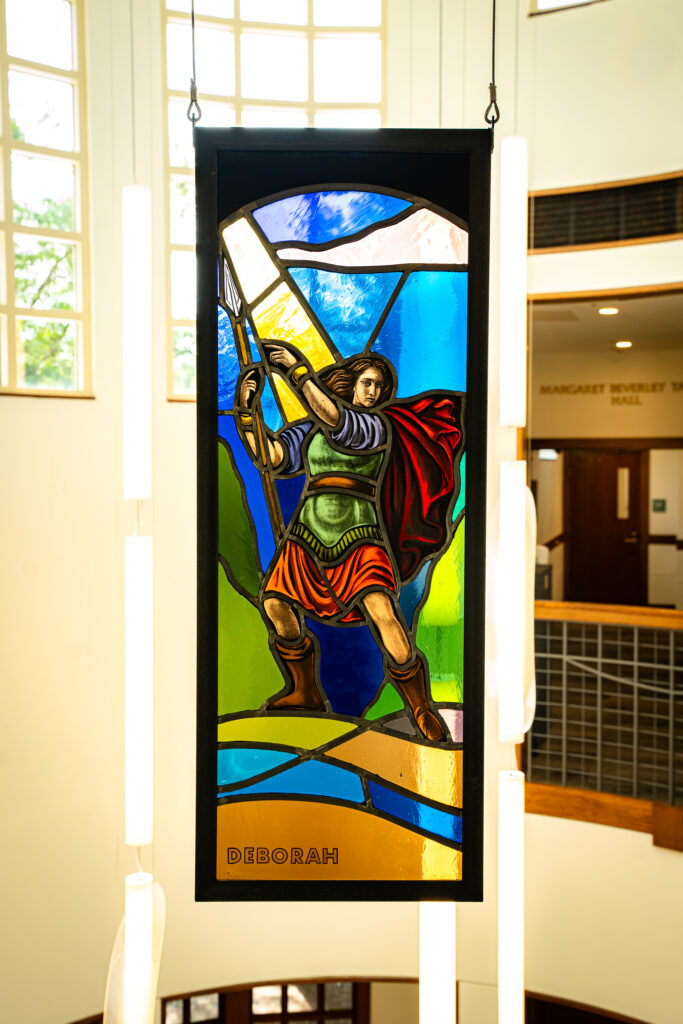
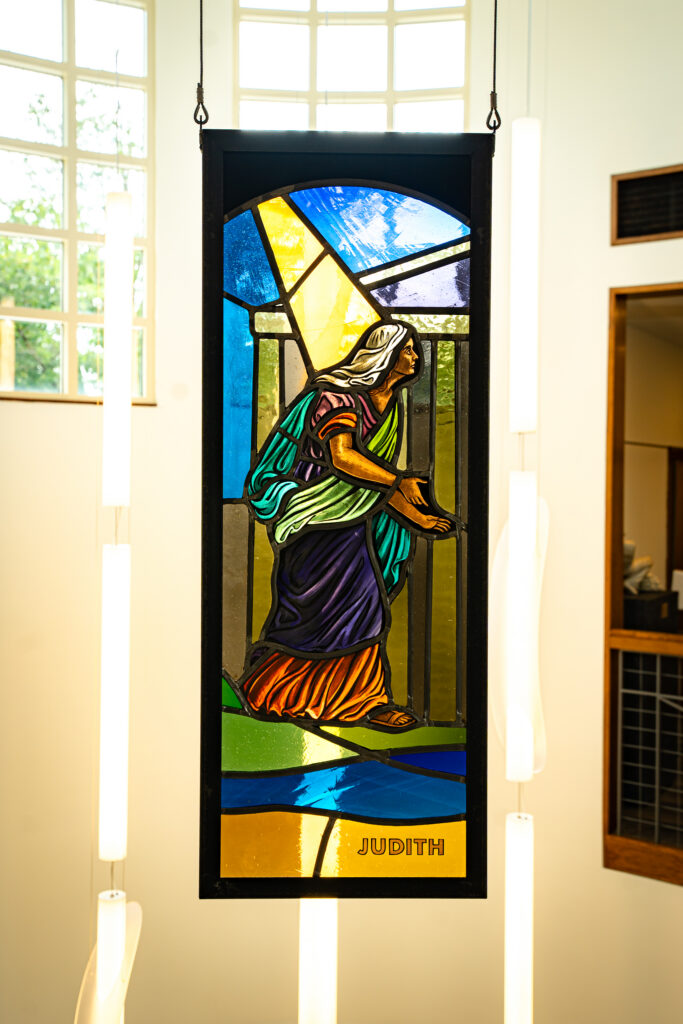
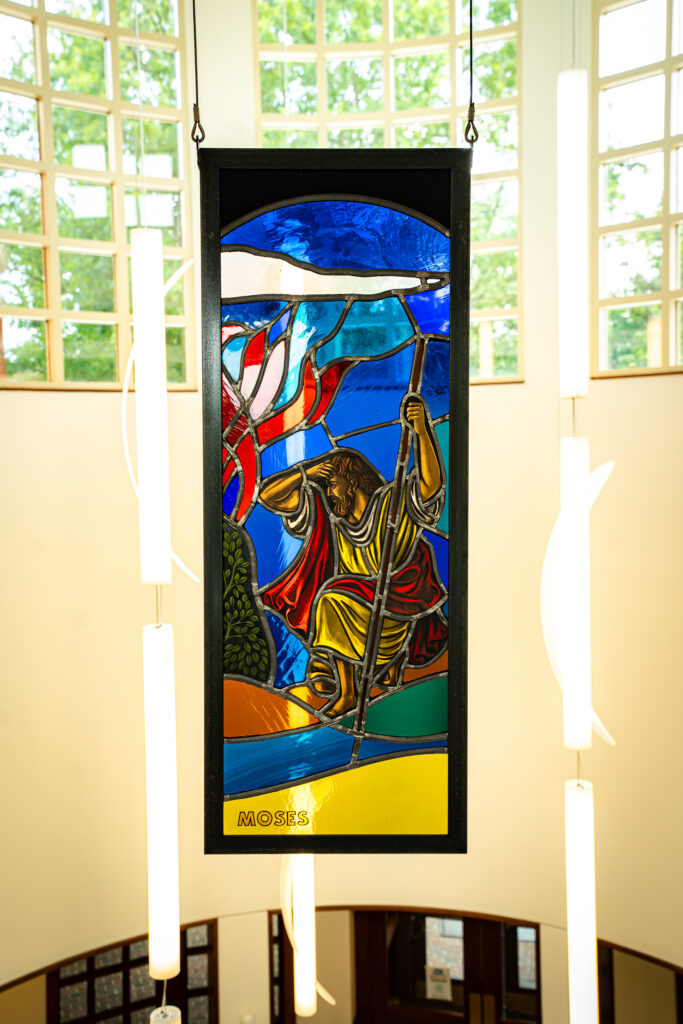
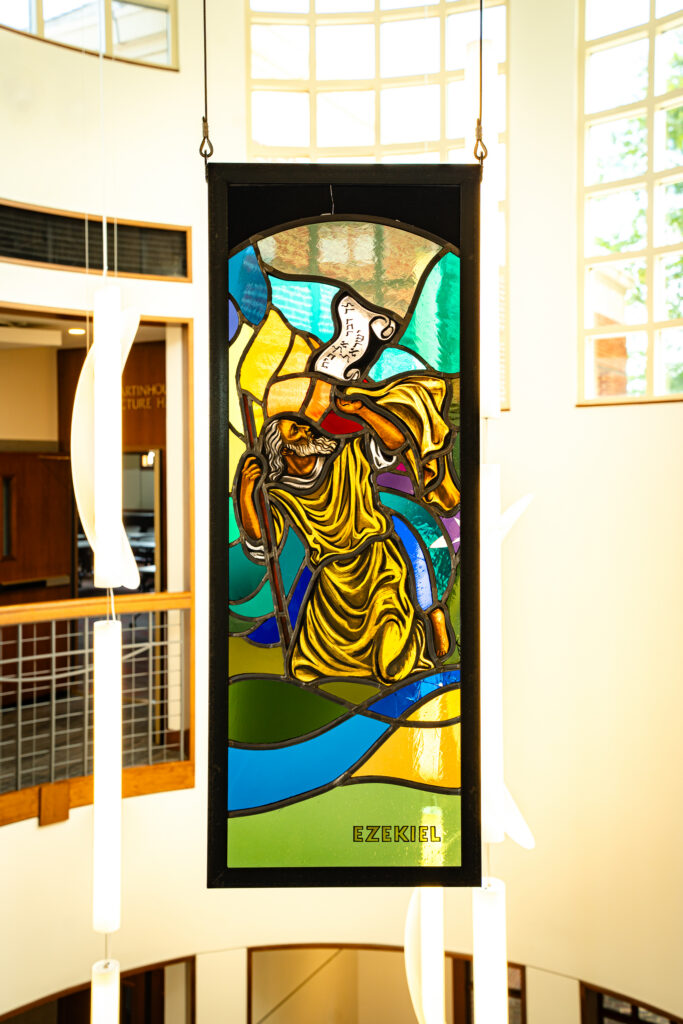
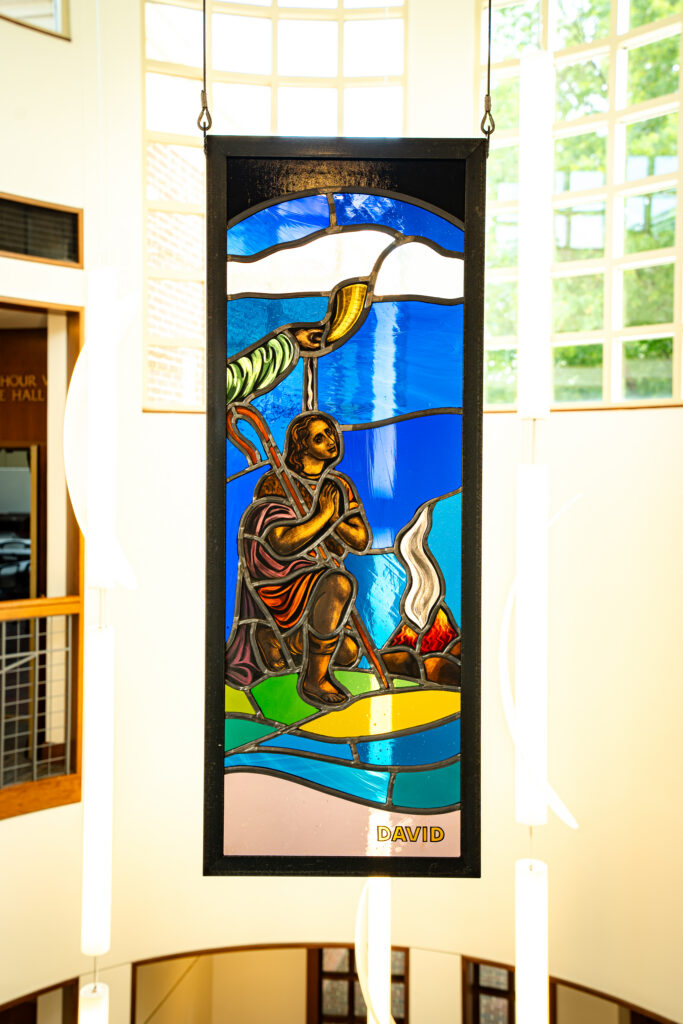
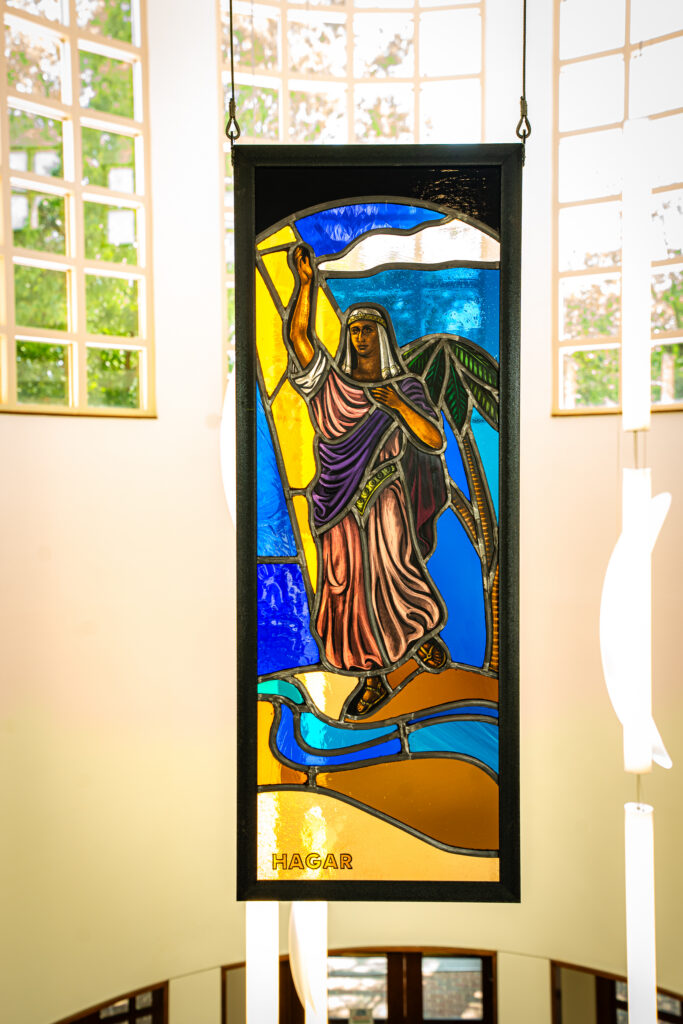
Six stained glass windows depicting Old Testament figures proved to be as resilient as the class who donated them. The windows, gifted by the Class of 2004, survived the fire that destroyed the 1881 Chapel in 2010.
The Class of 2004, who had weathered the September 11 attacks, the D.C. sniper shootings, major storms and the controversy swirling around the election of Bishop Gene Robinson, raised the funds for the windows as their class gift.
The Ven. Jennifer McKenzie ’04 said: “We bonded, we trauma bonded over many, many things. We were really close and we had a very poignant experience of being together at VTS, and so we wanted to do something really significant.”
The windows depict Hagar, Judith, Deborah, David, Moses and Ezekiel, reflecting the Class’s enjoyment of Old Testament studies, the Rev. David Wacaster ’04 explained. “We had a particularly good Old Testament experience, and many of us had had classes where we really enjoyed studying the Old Testament.”
The gift committee wanted the windows to represent God’s call on individuals, and they worked closely with the Rev. Judy Fentress-Williams, Ph.D., the Dodge Professor of Biblical Interpretation at VTS.
McKenzie said the class had discussed sensing that they were being called and formed and steeled for the big changes that were happening in the Church. “There was this distinct [feeling] we were being tested, forged for a time that was emerging in the Church,” she said.
“We had these bonds that…we said would be the thing that carried us through and would enable us to do whatever it was God was calling us to.”
Wacaster described the windows surviving the chapel fire as “miraculous.”
“Everybody in our class had a real sense that we were all called to be there together at that time,” he said. “We really wanted to give a gift that would be meaningful and last. I’ve always been very grateful that those windows survived and that they’ve been displayed in Addison.”
Student Jasina Wise shares how being a Saint Nicholas Center for Faith and Justice Fellow is enriching her formation.
Virginia Theological Seminary (VTS) congratulates the Rev. Ruthanna Hooke, Ph.D., on her appointment as the 10th Dean and President of Seminary of the Southwest.
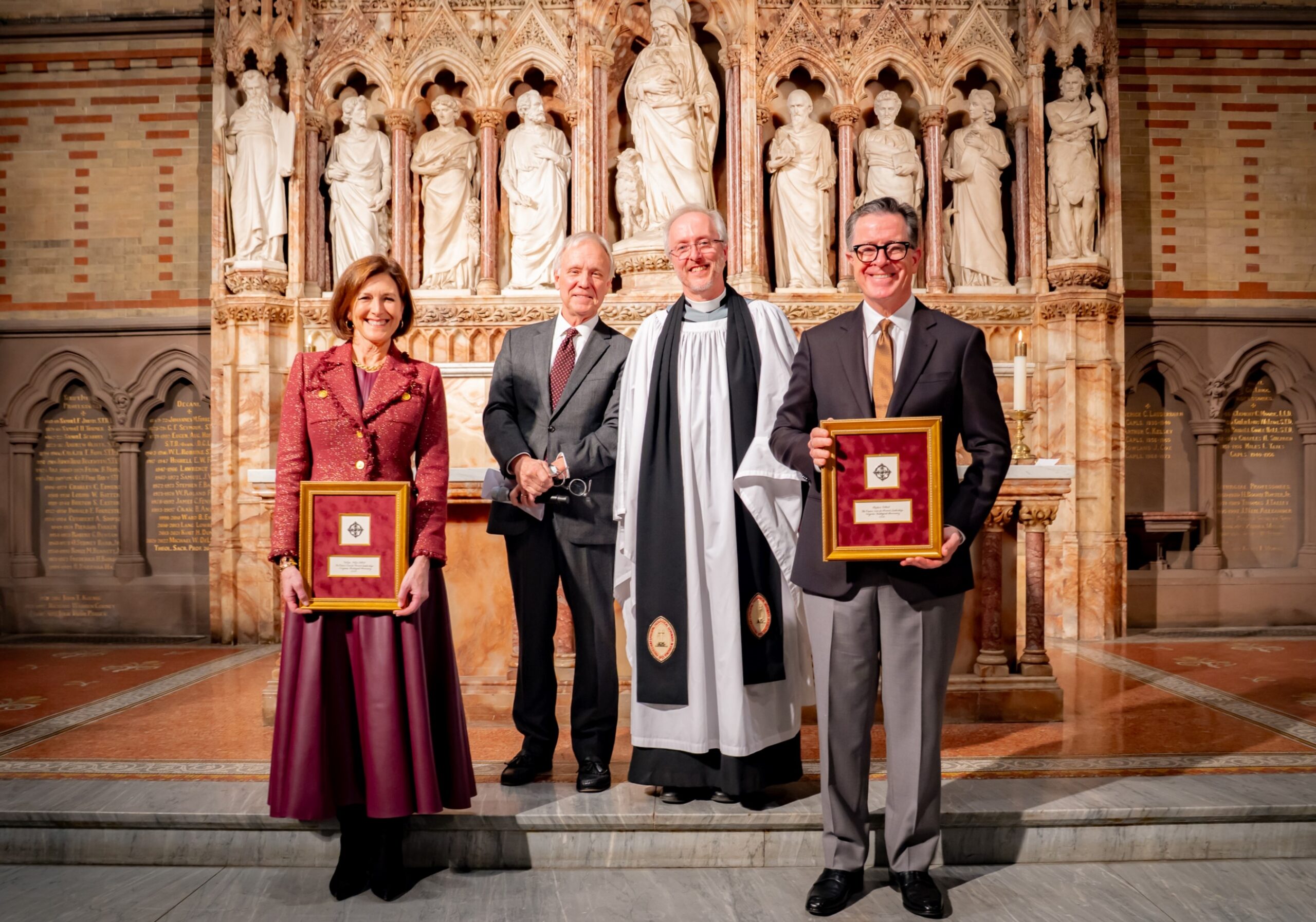
Virginia Theological Seminary (VTS) has conferred the Dean’s Cross for Servant Leadership on Stephen Colbert for his work as a satirist who provokes critical thinking and inspires change, and on Evelyn McGee-Colbert for her ministry and leadership in the arts.
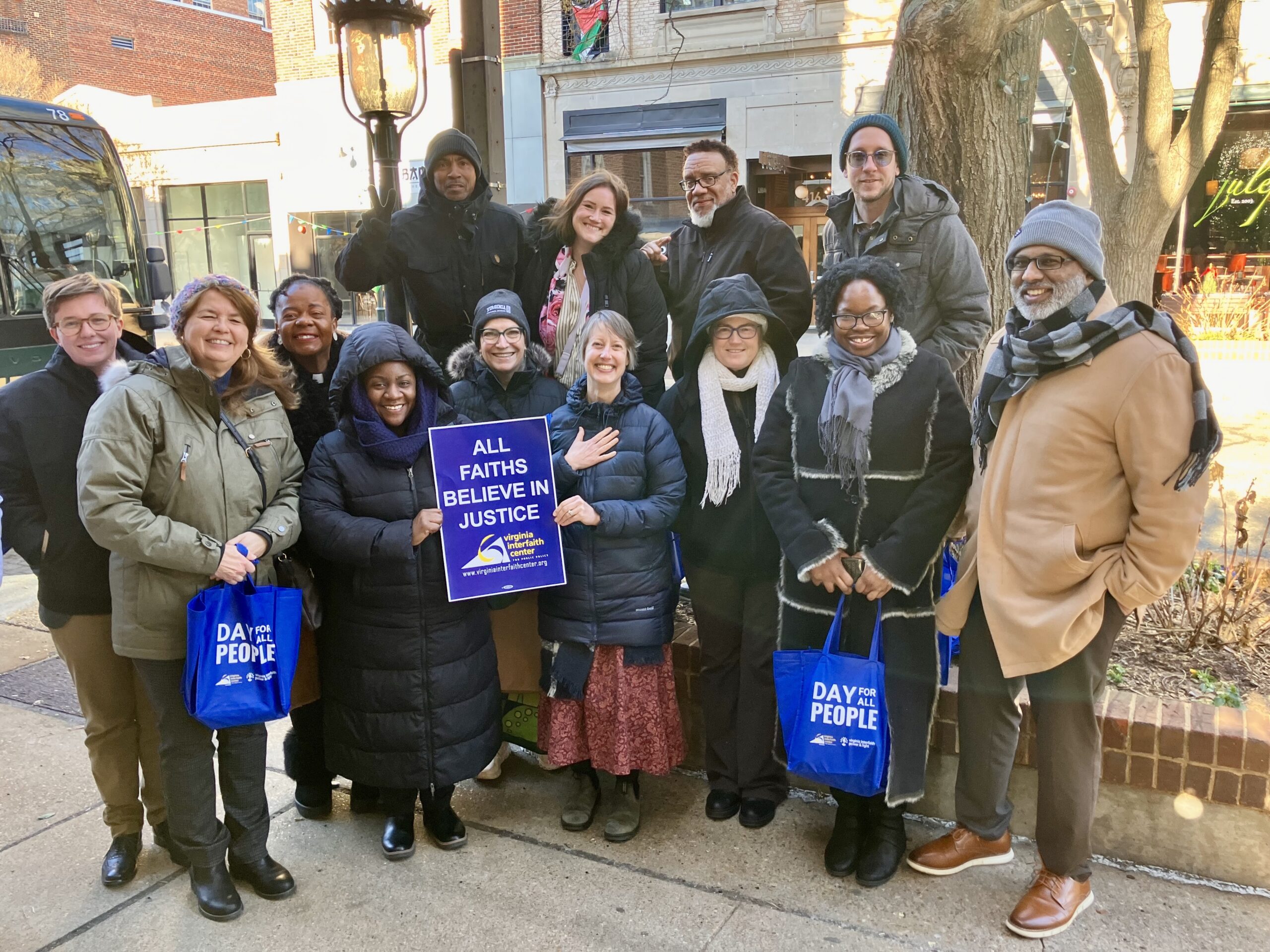
VTS has launched a Faith and Justice Concentration in its Master of Divinity degree. The new offering enables students to pursue a pathway that focuses on formation for transformative engagement in the public square.