Having served at Virginia Theological Seminary (VTS) for almost 20 years and having the privilege of leading The General Theological Seminary (GTS) for almost four years, there comes a moment when one reflects on areas of complexity in one’s ministry. One such area is the relationship of a seminary to the diocesan bishop. The Constitution and Canons are clear about the relationship of a parish to the diocese, but utterly opaque about the relationship of a seminary to the bishop.
Let me say right at the outset that I have had the privilege of serving under four Bishops of Virginia, and I have enjoyed working with them all. Yet there is a complexity in being the head of a seminary in a diocese. There are many areas where a parish is obligated to refer an issue or question to the diocese that cannot apply to the seminary.
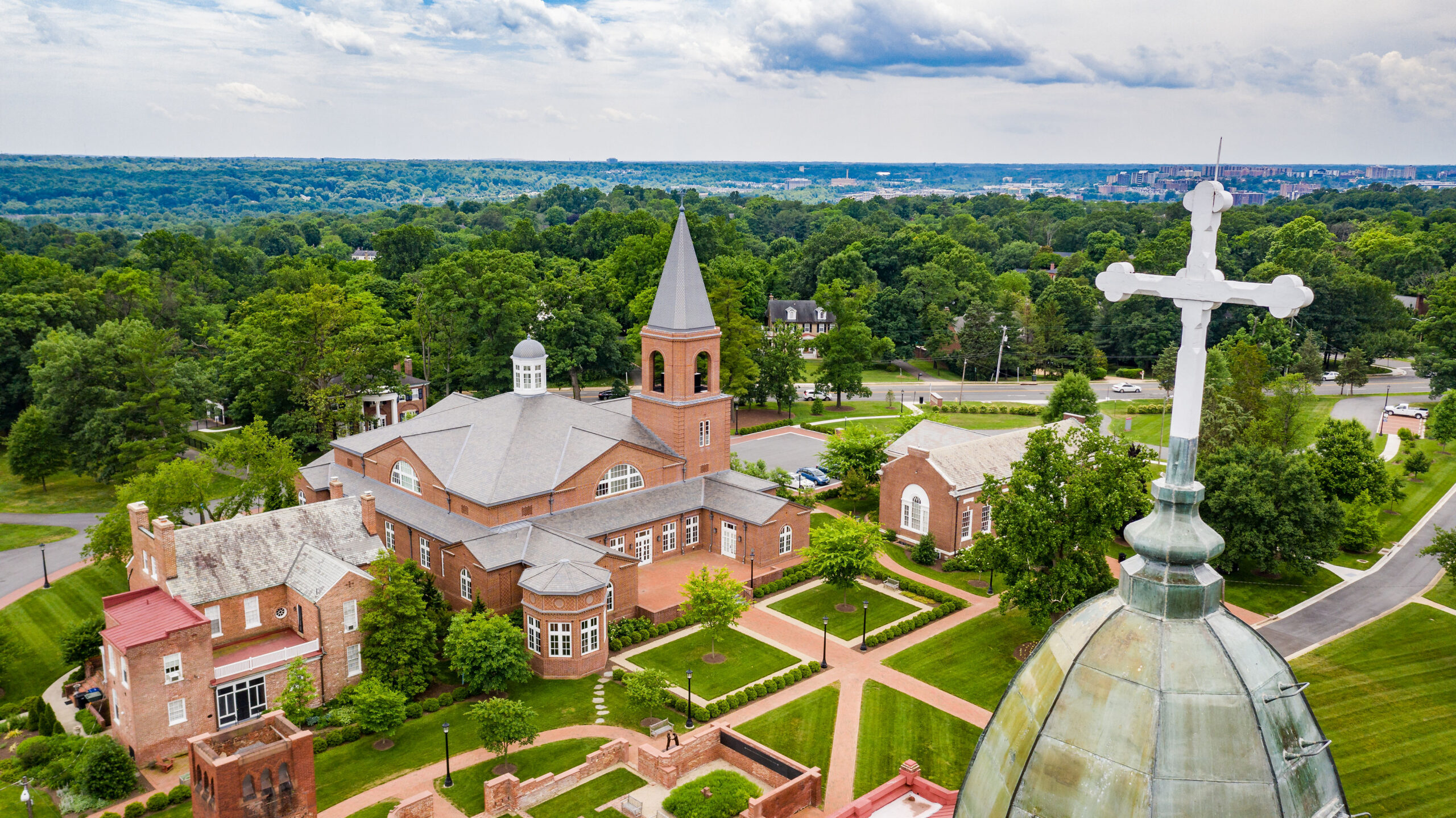
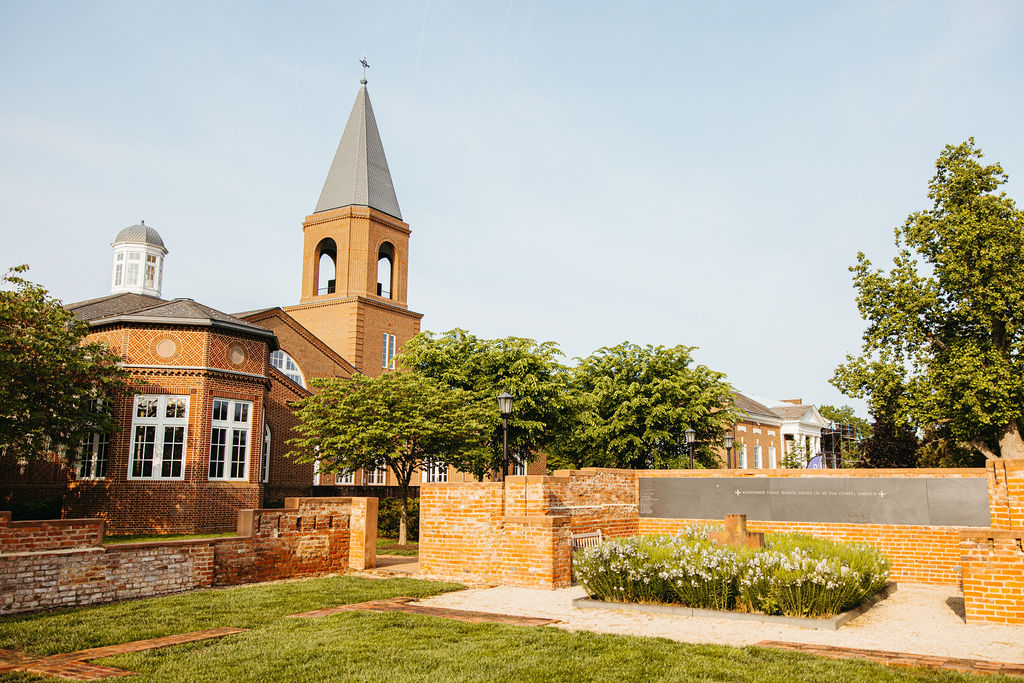
In 2015, we had a consecration of a new chapel. At that service, the Presiding Bishop Katherine Jefferts Schori presided, the preacher was the Archbishop of Canterbury Justin Welby. None of this went through a diocesan process. Indeed, the Bishop of Virginia was present but did not have a liturgical role.
Then there are land acquisitions and sales. In the Diocese of Virginia, parishes need to consult with the Bishop and the Standing Committee. Both VTS and GTS have made major land transactions without involving the diocese. Then there are decisions about visiting dignitaries, bishops, and guests from around the Communion. There are liturgical judgments about a translation of Scripture and the use of audio for a contemporary service. All these items are technically, for a parish, supposed to be referred to the bishop. However, at a seminary it is understood that we have authority to make these decisions without consultation with the bishop.
Then here are some intriguing historical complexities. GTS was explicitly founded by the national church to serve the national church. Its primary connection with the Church is General Convention, not the Diocese of New York. In the Diocese of Virginia, the dean of the seminary has for decades had the authority to start congregations and, indeed, exercise authority over those congregations, a principle recently reaffirmed in 2015 by Diocesan Convention. So, both in theory and practice, we have been what the Church of England would call peculiars.
To think through these questions, we approached the dioceses that have seminaries and asked their chancellors to attend a conference at VTS at the end of August. The Rev. J. Barney Hawkins IV, Ph.D., provided a paper on the history of the concept of the peculiar. He explained that the tempting model is Westminster Abbey, but a better model is the Cambridge colleges. Many Cambridge colleges are understood to be under the authority of the governing body of the college, not under the authority of the diocesan bishop. The second paper at the conference illustrated that there are many aspects of the Constitution and Canons that cannot work for a seminary, and, in practice, seminaries are already recognized as peculiars. As a result of these two papers, considerable thought was given to thinking through a practical way that the status of seminaries could be clarified.
The proposal is included below. This issue is perhaps not the most pressing one facing the Church today. But it is an issue that could be easily clarified, and that would be a gift to both bishops and to deans in the future. Seminaries should be places of innovation, and sometimes the bishop will appreciate the freedom not to police everything that happens at a seminary. The bishop will enjoy referring any questions to the dean of the seminary. For the dean, it means they have the authority to invite a guest to preside or permit an alternative version of the Bible to be read in the liturgy. I hope it will be taken up by General Convention.
An Episcopal Exception – A Peculiar for The Episcopal Church
From 31 August to 1 September 2026, a group of chancellors of The Episcopal Church gathered to reflect on the distinctive nature of a seminary within the ecosystem of The Episcopal Church. Seminaries are national organizations that attract students from across the country and serve many different dioceses. They are educational hubs of innovation and often welcome a wide range of guests to preside and preach at the altar. There is an unspoken assumption that seminaries function as “peculiars” (much like a Cambridge college in England), but this has never been clarified. As a result of the group’s deliberations, this proposal emerged; it is worthy of consideration by the House of Bishops and the wider Church. Instead of the language of peculiars, the phrase “Episcopal Exceptions” is used.
__________
CANON [ ]: Of Episcopal Exceptions
Sec. 1. Definition. An Episcopal Exception is an institution that (a) is separately incorporated from the Church and governed by its own trustees and its own charter, articles and bylaws; (b) exercises a mission on behalf of the wider Church rather than of a single Diocese; (c) maintains a chapel or other place of worship set apart for the use of the institution, and not as a place of public or parochial worship; and (d) is officially recognized under Section 2 of this Canon.
Sec. 2. Recognition. To be officially recognized, an Episcopal Exception must be approved by the House of Bishops and registered with its Secretary who shall keep the official list of recognized Episcopal Exceptions and shall report it to each regular meeting of the General Convention. An Episcopal Exception which ceases to meet the requirements of Section 1 shall be removed from the list by the House of Bishops, after notice and opportunity to be heard.
Sec. 3. Authority within an Episcopal Exception. For all functioning within a recognized Episcopal Exception, the authority reserved to the Bishop by Canon II.2, Canon II.4, Canon II.5, Canon III.9.7.a, and Canon III.9.7.c shall be exercised by the head of the Episcopal Exception; or, where the head is not a Priest or Bishop of this Church, by a Priest or Bishop of the Episcopal Exception designated for that purpose by its trustees. The head of the Episcopal Exception shall consult the Bishop of the Diocese in which the Episcopal Exception is situated in matters affecting the common life of that Diocese.
Sec. 4. Accountability preserved. Nothing in this Canon shall affect (a) the canonical residence of any Member of the Clergy; (b) the operation of Title IV; or (c) the authority of the Bishop of the Diocese in which a Member of the Clergy is canonically resident, including the authority to issue a Pastoral Direction under Canon IV.7.
Sec. 5. It is recognized that an Episcopal Exception is not a Province, Diocese, Parish, Mission, Congregation or Institution of the Diocese or the Church within the meaning of Canon I.7 or any of its sections, and those provisions shall not apply to Episcopal Exceptions.